
Figma Lost Its Way
From visionary to reactionary—what happened to Figma?

Figma once felt like the future—humble, collaborative, and crafted for designers. But in recent years, it’s lost its way. Rushed features, confusing pricing, and a focus on investors over users have replaced the magic that made it great. This is a personal reflection on what changed, why it matters, and what it would take for Figma to find its soul again.
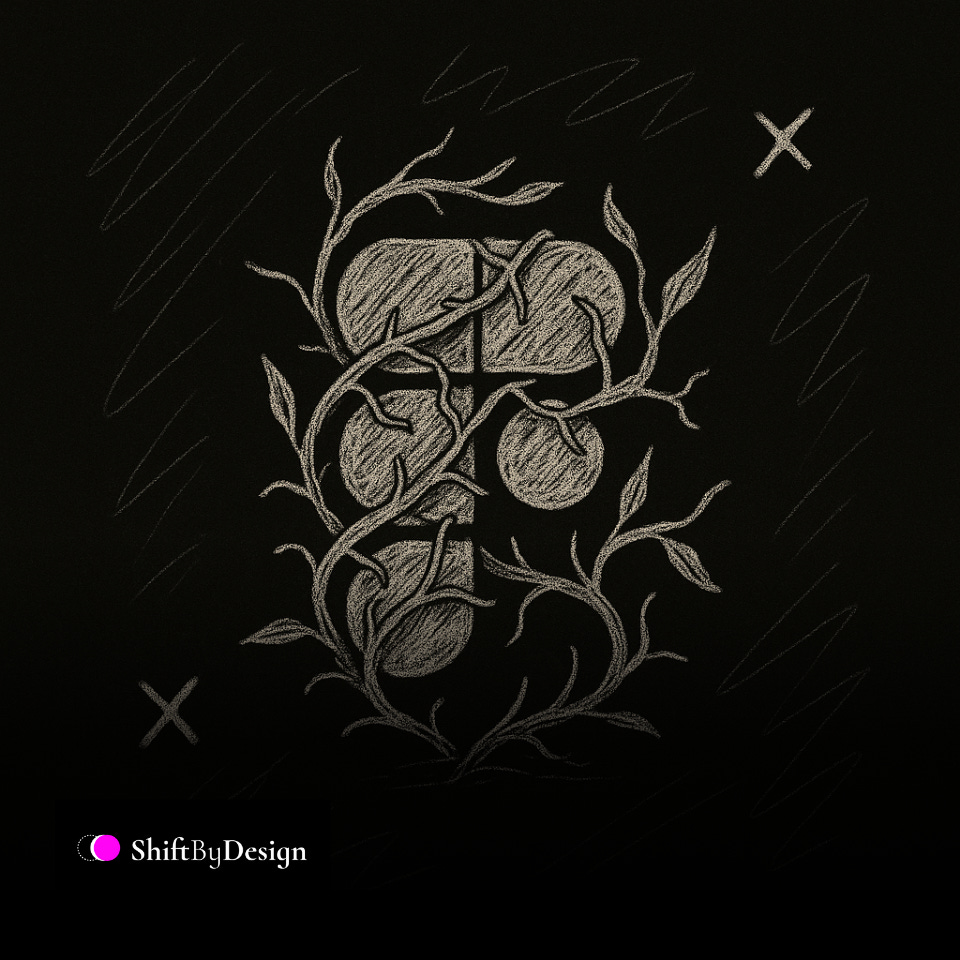
There was a time when Figma felt like a revolution.
Before it, design tools like Sketch were solitary. We worked in silos, exported clunky files, emailed endless screenshots, and prayed for version control. “final_v26_revised_FINAL.sketch” wasn’t a joke—it was the norm.
Then came Figma.
A browser-based tool that solved a real, painful problem. Real-time collaboration eliminated the constant syncing, the versioning nightmares, the fear of overwriting someone’s work. For the first time, a design tool addressed the one thing holding us back the most: working together.
But it wasn’t just the features—it was the feeling. You could tell it was built by people who understood the pain of designing in isolation. The engineering was brilliant. But what stood out most was the humility. Figma didn’t feel like a startup chasing hype. It felt like a quiet rebellion. And we were all part of it.
I was an early adopter. One of the loudest fans. Figma wasn’t just a tool—it was a movement.
But lately, that feeling is gone.
Somewhere along the way, Figma stopped building for us, the designers—and started building for them, the stakeholders.
You can feel it in the product decisions. In the pricing. In the rushed launches. In the absence of soul.
Even the pricing model tells the story. It’s no longer about adding value—it’s about avoiding frustration. The Pro plan allows anyone to invite new editors, which sounds collaborative, until your bill quietly skyrockets. The only way to prevent that? Upgrade to Enterprise—for five times the cost—just to control who can join. Not because your needs changed. But because the limitations were deliberately placed to upsell you. That’s not thoughtful design. That’s dark-pattern economics.
And where is the innovation that made Figma what it was?
Last year’s AI launch felt like a checkbox exercise. At Config, they hyped new features—then quietly pulled some, re-released others, and left the community confused. It didn’t feel like Figma. It felt like Figma under pressure. Less about solving real problems. More about appeasing investors.
This year, they went louder. Figma Site. Figma Make. Figma Draw. Figma Buzz.
Each aimed at a competitor: Framer, Lovable, Illustrator, Canva. But the execution? Shallow. Figma Site is still basic. Figma Make only started development in January and was clearly rushed to meet the Config deadline. These aren’t bold new ideas. They’re reactionary plays—responses to a world where design-only tools are losing ground to AI tools that can generate functional products in days.
And fear never leads.
Figma isn’t leading anymore. It’s chasing the money.
And that’s what hurts the most—seeing Figma lose what made it special.
They used to craft with care. They explored the edges. They gave us a platform for designers, not just a product at designers. But somewhere along the way, the vision got replaced with a roadmap driven by quarterly returns.
And look—I understand. Scale brings pressure. Investors want growth. But when that pressure bleeds into the product, it breaks trust. We don’t just want features—we want tools that feel like they understand us. Tools that get the creative process, not just replicate it.
The industry is shifting fast. With AI, the old rituals—pixel-perfect mockups, endless feedback loops—are beginning to feel dated. We’re moving toward speed, clarity, and outcomes. The tools that will matter most are the ones that help us think better, not just design faster.
Figma once helped us do both.
And maybe it still can.
But only if it remembers what made it great: a bold spirit, a deep empathy for creators, and the courage to challenge how things were done—not because it had to, but because it believed in something better.
I still want to believe.